



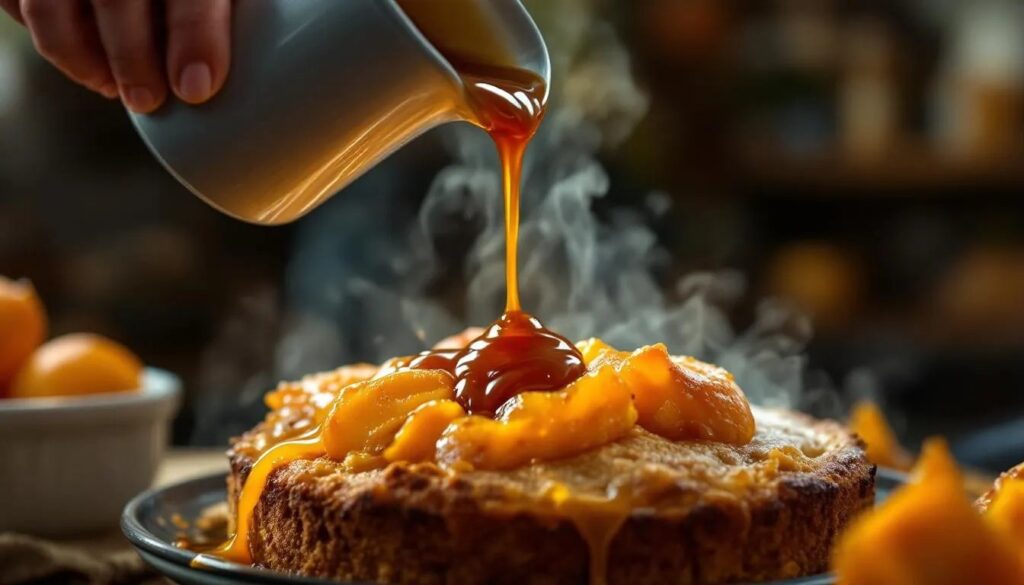
There's a particular kind of comfort in a recipe that asks almost nothing of you and gives back far more than it has any right to. Dump cakes belong to that rare category of American home baking where the method is almost aggressively simple — no creaming, no folding, no blind baking — yet the result emerges from the oven bubbling, golden, and deeply satisfying. With spring arriving and the days stretching longer, there's still that cool-evening craving for something warm and yielding from the oven, the kind of dessert that fills a kitchen with a caramel-fruit sweetness that pulls everyone toward the counter before it's even cooled. These recipes have been passed down on index cards, photocopied in church cookbooks, and quietly saved in the back of kitchen drawers for decades. They deserve another look.
The dump cake formula — fruit or filling, dry cake mix, butter — sounds almost too minimal to work. And yet it does, every single time, producing a texture somewhere between a cobbler and a crumble, with a crust that shatters softly underfoot and a base that stays jammy and thick. The ten recipes gathered here span the classics and the slightly forgotten, from cherry-pineapple to peach-bourbon to the deeply old-school pumpkin spice version that predates every autumn trend. Each one has been chosen because it earned its place on a real table, in a real kitchen, more than once. Tie on your apron.
| Preparation | 10 min |
| Cooking | 45–50 min |
| Servings | 12 people |
| Difficulty | Easy |
| Cost | $ |
| Season | Early spring — canned cherry, canned peach, canned pineapple, fresh strawberries |
What is a dump cake, exactly?
The name is both literal and slightly misleading. You do dump the ingredients — directly into the baking dish, in layers, without stirring — but the result is nothing like the casual chaos the name implies. The magic lies in how the dry cake mix absorbs fat from the butter placed on top, hydrates from the fruit juices below, and bakes into a streusel-like crust while the filling bubbles up through it. The technique dates to at least the 1970s in American home cooking, popularized in part by the cake mix industry, and has barely changed since because it simply works. It's a dessert built on pantry logic: if the ingredients are good, the cake is good.
The key variables are three. First, the fruit base — canned fruit with its syrup provides both flavor and the liquid the dry mix needs to hydrate properly. Second, the cake mix — yellow, white, spice, chocolate, or lemon, each pulling the dessert in a different direction. Third, the butter — sliced thin and laid across the top in overlapping pieces, not melted and poured, so it distributes evenly and creates the characteristic irregular crust with some patches deeply golden and others barely toasted. That contrast in texture is precisely the point.
The 10 old-school recipes
1. Classic cherry-pineapple dump cake
The one that started it all for most American households. A can of crushed pineapple goes in first, spread evenly across the bottom of a 9×13-inch baking dish. A can of cherry pie filling follows. Yellow cake mix, straight from the box, is scattered over the top without pressing or stirring. Thin pats of cold unsalted butter — approximately 1 stick (113 g) — cover the surface. The oven does the rest at 350°F (175°C) for 45 to 50 minutes. The cherry juice seeps upward into the crust, staining it a deep rose at the edges. Serve warm with a scoop of vanilla ice cream that melts into the crevices.
2. Peach dump cake with brown sugar
Two cans of sliced peaches in syrup, drained just slightly, form the base. A handful of light brown sugar — about 3 tablespoons — is scattered over the peaches before the yellow cake mix goes on top. The brown sugar caramelizes as it bakes, deepening the peach flavor with a faint molasses undertone. A pinch of ground cinnamon over the butter before baking makes this feel almost like a peach crisp.
3. Apple cinnamon dump cake
Two cans of apple pie filling — the chunky kind, not the smooth — go into the dish, spread to the corners. Spice cake mix replaces yellow here, bringing warmth from the box itself. Butter goes on top as usual, and a generous dusting of ground cinnamon and a pinch of nutmeg finishes it before the oven. The result smells like a bakery for the entire 50 minutes it bakes.
4. Blueberry lemon dump cake
A can of blueberry pie filling meets a box of lemon cake mix in one of the few dump cake combinations where brightness cuts through the richness. The lemon in the mix behaves almost like a squeeze of fresh juice, lifting the blueberry's sweetness and keeping the dessert from feeling heavy. For an early spring gathering, scatter a handful of fresh blueberries — now starting to appear in stores — over the canned filling before adding the mix.
5. Strawberry dump cake
With strawberries hitting peak season in late spring, this version earns its place now. Use one can of strawberry pie filling and add 1 cup of sliced fresh strawberries directly to the dish. White cake mix over the top keeps the color contrast vivid — the strawberry bleeds red through the pale crust in a way that is visually striking. Finish with a drizzle of sweetened condensed milk over the butter before baking for a denser, fudgier crumb.
6. Chocolate cherry dump cake
Devil's food cake mix over cherry pie filling produces a combination that reads like a Black Forest cake compressed into a baking dish. The chocolate and cherry flavors are assertive individually; together they balance into something richer and more complex than either element suggests on its own. A scatter of semi-sweet chocolate chips over the butter before baking adds pockets of molten chocolate throughout.
7. Pumpkin spice dump cake
Long before pumpkin spice became seasonal shorthand, home bakers were making this cake in autumn and early winter. A can of pumpkin purée mixed with evaporated milk, 2 eggs, ¾ cup sugar, and 1 teaspoon pumpkin pie spice forms a custardy base — slightly more involved than a pure dump, but still assembled in under 10 minutes. Spice cake mix over the top, butter over that, and the result bakes into something between a pumpkin pie and a cobbler. Whipped cream, not ice cream, is the correct accompaniment.
8. Coconut pineapple dump cake
Two cans of crushed pineapple, drained to about half their liquid, form the base. Yellow or white cake mix goes over, followed by butter. Before baking, scatter 1 cup of sweetened shredded coconut across the top of the butter. The coconut toasts as the cake bakes, turning the surface into something between a German chocolate cake topping and a tropical crumble. A natural choice for anyone who finds the standard cherry-pineapple version a little too sweet.
9. Peach-raspberry dump cake
One can of peach slices and one can of raspberry pie filling create a base with a tartness the straight peach version lacks. The raspberry juice turns the crust a burgundy-pink in patches. Yellow cake mix and butter, as always. This version benefits from a tablespoon of fresh lemon zest scattered over the fruit before the mix — the citrus oil from the zest rises through the cake as it bakes and sharpens everything.
10. Cherry almond dump cake
Cherry pie filling, yellow cake mix, butter — the classic frame. What elevates it is ½ teaspoon of pure almond extract stirred directly into the cherry filling before anything else goes in the dish, and a handful of sliced blanched almonds scattered over the butter. Almond and cherry is a pairing rooted in the fact that cherry pits and almond kernels share the same aromatic compound, benzaldehyde — the flavor feels inevitable once you taste it.
Ingredients for the classic cherry-pineapple version
- 1 can (20 oz / 570 g) crushed pineapple, undrained
- 1 can (21 oz / 595 g) cherry pie filling
- 1 box (15.25 oz / 432 g) yellow cake mix, dry
- 1 stick (½ cup / 113 g) unsalted butter, cold, cut into thin slices
- Vanilla ice cream or whipped cream, to serve
Ustensils
- 9×13-inch (23×33 cm) baking dish, glass or ceramic
- Can opener
- Rubber spatula
- Sharp knife and cutting board (for butter)
- Oven mitts
Preparation (classic cherry-pineapple)
1. Prepare the baking dish
Preheat the oven to 350°F (175°C). There is no need to grease the baking dish — the fruit juices and butter will prevent sticking more effectively than any spray or coating. Use a glass or ceramic dish rather than metal if possible; it distributes heat more gently and keeps the fruit base from scorching at the edges before the center sets. Glass also lets you monitor the bubbling from the sides, which is a reliable indicator that the cake is nearly done.
2. Add the pineapple layer
Open the can of crushed pineapple and pour the entire contents — fruit and syrup together — into the baking dish. Use a rubber spatula to spread it into an even layer that reaches all four corners. The syrup is not a mistake or an excess; it is the primary source of moisture that will hydrate the dry cake mix from below. Do not drain it.
3. Add the cherry pie filling
Spoon the cherry pie filling over the pineapple in an even layer. There is no need to mix the two fruit layers together — they will merge naturally during baking, with the cherry bleeding slightly into the pineapple at the edges. The visual contrast of the deep red cherry over the pale crushed pineapple is part of the finished cake's appeal when served directly from the dish.
4. Apply the dry cake mix
Open the box of yellow cake mix and pour the dry powder directly over the fruit in an even, consistent layer. No mixing, no stirring. Shake the dish gently from side to side if needed to level the powder, and use the back of a spoon to distribute any thick areas toward the corners. The layer should be uniform — thin patches will result in wet, underbaked spots; thick patches will stay powdery. The powder needs to make contact with fruit juice below to hydrate, so even coverage is the one technical detail that matters here.
5. Place the butter
Slice the cold butter into pieces roughly ¼ inch (6 mm) thick and lay them across the surface of the dry cake mix in overlapping rows, like shingles. The goal is to cover as much of the surface as possible — gaps in butter coverage will result in patches of dry, unincorporated cake mix on the finished surface. Cold butter slices more cleanly and distributes more evenly than room-temperature butter; melted butter, despite being a tempting shortcut, produces a denser, more uniform crust that lacks the textural variation that defines a good dump cake.
6. Bake and rest
Place the dish in the center rack of the preheated oven and bake for 45 to 50 minutes, until the top is deep golden brown and the fruit filling is visibly bubbling up through the crust at the edges — a rapid, active bubble, not a slow simmer. If the center still looks pale and powdery at 45 minutes, add 5 more minutes and check again. Remove from the oven and allow to rest for at least 10 to 15 minutes before serving; the filling thickens as it cools slightly and will be molten enough to burn if served immediately.
Chef's note
The single most common mistake with dump cakes is uneven butter distribution — those white, powdery dry spots on the finished surface that never fully hydrated. The fix is simple: freeze the stick of butter for 10 minutes before slicing, then use a very sharp knife to cut clean, uniform pieces. Lay them methodically, edge to edge, across the mix. In early spring, when good fresh fruit is just beginning to appear, consider replacing half the canned cherry filling with a cup of pitted fresh cherries or fresh strawberries sliced thick — they hold their shape better than canned and give the base a less uniform, more interesting texture.
Pairings
Dump cakes are warm, sweet, and fruit-forward — the pairing question is mostly about whether to cut through the sweetness or amplify the fruit. A scoop of good vanilla bean ice cream is the classic choice for a reason: its fat and cold temperature slow the heat of the filling and create a sauce as they meet.
For something to drink alongside, a cold glass of whole milk remains unbeatable in its simplicity. For adults, a small pour of bourbon or dark rum over the warm cake — particularly with the peach or cherry versions — adds a depth that the cake mix alone cannot reach. Strong black coffee or an Americano provides a useful bitterness that stops the sweetness from becoming monotonous across a full serving.
The history behind the dump cake
The dump cake belongs to a tradition of American pantry baking that accelerated dramatically after World War II, when canned goods became both affordable and aspirational and boxed cake mixes entered the mainstream kitchen. The earliest known printed dump cake recipes appear in church fundraiser cookbooks and home economics publications from the late 1960s and early 1970s, though the method likely circulated by word of mouth for years before anyone wrote it down. The format made particular sense in communities where a dessert was expected at every gathering but time was short and budgets were real.
What is often missed in the modern dismissal of dump cakes as "too easy" is that the format demands a certain precision in its simplicity — proportion, layering order, and butter coverage all affect the outcome more noticeably than they would in a recipe where mixing and folding provide some margin for error. The recipes have survived in American home kitchens for more than fifty years not despite their simplicity but because of what that simplicity reliably delivers: a warm, deeply flavored dessert that asks very little and almost never disappoints.
Nutritional information (per serving, approximate values — based on classic cherry-pineapple, 12 servings)
| Nutrient | Amount |
|---|---|
| Calories | ~320 kcal |
| Protein | ~2 g |
| Carbohydrates | ~54 g |
| of which sugars | ~35 g |
| Fat | ~11 g |
| of which saturated | ~7 g |
| Fiber | ~1 g |
| Sodium | ~310 mg |
Frequently asked questions
Can dump cake be made ahead of time?
Dump cake is at its best within the first hour after baking, when the crust is still crisp and the filling is warm and fluid. It can be assembled up to 4 hours ahead and kept refrigerated unbaked — bring it to room temperature for 20 minutes before placing it in a preheated oven. Baked dump cake reheats well in a 325°F (163°C) oven for 15 to 20 minutes, covered loosely with foil to prevent the top from over-browning.
How should leftover dump cake be stored?
Cover the baking dish tightly with plastic wrap or transfer leftovers to an airtight container. Refrigerate for up to 3 days. The crust will soften overnight — this is normal and, for some, preferred; the texture shifts toward something closer to a soft cobbler. Reheat individual portions in a microwave for 60 to 90 seconds, or warm the entire dish in the oven as described above. Dump cake does not freeze well; the fruit base becomes watery and the crust loses all its texture upon thawing.
What substitutions can be made?
The fruit base is highly flexible — virtually any canned pie filling works, and mixing two varieties (peach and raspberry, cherry and blueberry) is encouraged. The cake mix can be swapped freely: chocolate mix over cherry filling, lemon mix over blueberry, spice mix over apple. For a dairy-free version, replace the butter with thin slices of refined coconut oil that has been briefly chilled to firm it — it behaves similarly under heat and produces a slightly more neutral crust. For a lower-sugar version, use fruit canned in juice rather than syrup and a sugar-reduced cake mix; the texture remains nearly identical.
Why does my dump cake have dry powdery spots on top?
Dry spots indicate areas where the cake mix did not receive enough butter above or enough fruit moisture below to hydrate fully during baking. The fix is methodical butter placement — cold, thin, overlapping slices covering the entire surface — and confirming that the canned fruit was not over-drained before going into the dish. If dry spots appear during baking, placing small additional pats of butter on the dry areas and returning the dish to the oven for 8 to 10 more minutes will usually resolve them.
Can I use fresh fruit instead of canned pie filling?
Fresh fruit can replace canned, but it requires a small adjustment: fresh fruit contains less free liquid than canned fruit in syrup, so the cake mix may not hydrate fully. To compensate, toss the fresh fruit with ¼ cup of sugar and 2 tablespoons of cornstarch, then add ½ cup of fruit juice or water to the dish before adding the fruit. Early spring strawberries work particularly well this way — they release considerable juice as they cook and produce a base that is fresher and less uniform in sweetness than canned filling.