


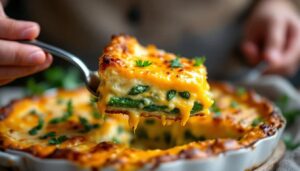

Easter weekend arrives with a particular energy that every parent knows well: children buzzing with anticipation, baskets already waiting by the door, and a full afternoon stretching ahead with nowhere to channel all that springtime excitement. The kitchen becomes the obvious answer. Simple, hands-on treats that require minimal technique but deliver maximum satisfaction are the quiet heroes of a good Easter holiday — the kind that keep small fingers occupied and produce something genuinely worth eating at the end.
These thirteen ideas span a range of textures, skill levels, and ingredients you likely already have at home. Some take under thirty minutes from start to finish. Others involve a little patience — melting chocolate, setting times in the fridge — but nothing that requires professional equipment or advanced baking knowledge. From decorated sugar cookies to rice crispy nests cradling candy eggs, each one is designed to be made with children, not simply presented to them. Flour on the counter and chocolate on the chin are part of the arrangement.
| Preparation | 15–30 min per treat |
| Difficulty | Easy |
| Age range | 3 years and up (with adult supervision) |
| Season | Spring — Easter weekend |
| Cost | $$ (varies by treat) |
Chocolate rice crispy nests
Melt 200g of milk chocolate gently over a bain-marie — that is, a heatproof bowl set over a pan of barely simmering water, never letting the bowl touch the surface. Stir in 3 cups of puffed rice cereal until every grain is coated. Spoon the mixture into muffin tins lined with paper cases, pressing the center down with the back of a spoon to form a hollow. Refrigerate for 30 minutes until firm, then nestle in small candy eggs. The result has a satisfying snap at the edges and a fudgy pull at the base — and children can press in every single egg themselves.
Easter sugar cookies
A basic sugar cookie dough — 2 cups all-purpose flour, ½ cup butter, ½ cup sugar, 1 egg, 1 tsp vanilla extract — comes together in minutes and rolls out beautifully. Chill for 20 minutes before cutting. Easter-shaped cutters (eggs, chicks, rabbits, carrots) do the rest. Bake at 350°F (175°C) for 10–12 minutes until the edges are just barely golden. Decorating with royal icing, sprinkles, or colored sugar is where small hands genuinely shine — there are no wrong answers on a cookie.
Deviled egg chicks
Not every Easter treat needs to be sweet. Hard-boil 6 eggs, halve them lengthwise, and mash the yolks with 2 tbsp mayonnaise, 1 tsp mustard, salt and pepper. Pipe or spoon the filling back into the whites. Use small triangles of carrot for beaks, black sesame seeds or small capers for eyes, and thin carrot slices for little wings. The savory contrast on an Easter table full of chocolate is always welcome, and pressing in the tiny beak is a task children take with surprising seriousness.
Bunny pancakes
A standard pancake batter poured through a squeeze bottle gives children direct control over shapes on the griddle. Pour one large round for the face, two elongated ovals for ears, and let them connect. Eyes and a nose made from blueberries, banana slice cheeks, and a strawberry mouth turn breakfast into an event. Cook on medium heat until bubbles form and pop across the surface before flipping — the signal that the underside is ready.
Pretzel rod carrots
Melt orange candy melts or orange-tinted white chocolate and dip pretzel rods two-thirds of the way in, letting the excess drip off cleanly. Lay flat on parchment paper. Before the coating sets, press a small cluster of green candy sprinkles or a strip of green sour rope into the uncoated end to mimic carrot tops. Leave to set at room temperature for 15 minutes. The sweet-salty combination makes these genuinely hard to stop eating, and assembling the carrot tops is exactly the kind of fiddly, satisfying task that keeps a five-year-old focused for a good stretch.
Easter bark
Line a baking sheet with parchment. Melt 400g of white chocolate and spread into a thin, even layer roughly ¼ inch thick. While still liquid, drizzle over melted milk or dark chocolate and drag a toothpick through both layers in long sweeping motions to create a marbled effect. Scatter over mini eggs, pastel sprinkles, and shredded coconut tinted green with a drop of food coloring. Refrigerate until fully set — about 45 minutes — then break into irregular shards. No two pieces look the same, which is entirely the point.
Peeps s'mores pops
Thread a marshmallow Peep onto a lollipop stick. Dip into melted milk chocolate, let the excess fall away, then roll through crushed graham crackers while the coating is still tacky. Stand upright in a block of styrofoam or a deep cup filled with sugar to set. The familiar s'mores flavor anchored to a cheerful chick or bunny shape is an easy crowd-pleaser, and rolling in the crumbs requires exactly the right amount of physical enthusiasm from small hands.
Carrot cake energy balls
Combine 1 cup rolled oats, ½ cup finely grated carrot, ¼ cup honey, 3 tbsp almond butter, 1 tsp cinnamon, ¼ tsp ginger, and 2 tbsp raisins in a bowl. Mix thoroughly, then refrigerate the mixture for 20 minutes to firm up. Roll into small balls between the palms — a task suited to even the youngest kitchen helpers. Coat in shredded coconut, crushed nuts, or extra oats. These lean wholesome in a lineup that trends toward sugar, and they hold together in the refrigerator for up to five days.
Jell-o egg cups
Carefully halve clean eggshells — rinsed and dried — and stand them in an egg carton. Prepare lemon or lime Jell-O according to package directions and pour into each shell while still liquid. Refrigerate until fully set, at least 2 hours. Peel away the shell at the table for a dramatic reveal: a perfectly egg-shaped, jewel-colored gelatin that wobbles satisfyingly. Children who participate in the pouring stage are invariably more invested in the peeling reveal.
Painted toast
Mix food coloring into small amounts of whole milk — roughly 1 tbsp per color — and hand children a clean paintbrush. On plain white bread, they paint directly before toasting: flowers, Easter eggs, abstract patterns. The heat sets the color and the milk creates a faint glaze. Toast at the usual setting. Spread with butter while warm. It is a treat that requires almost nothing and produces something children are genuinely proud to eat.
Easter puppy chow (muddy buddies)
Coat 6 cups of corn Chex cereal in a mixture of 1 cup melted white chocolate and 2 tbsp coconut oil. Tip into a large zip-lock bag with 1½ cups powdered sugar, seal, and shake vigorously until every piece is coated. Spread on a parchment-lined tray and scatter over pastel M&Ms and mini eggs. The shaking step is perhaps the most enthusiastically executed part of any Easter kitchen session involving children under ten.
Coconut macaroon nests
Stir together 2½ cups shredded sweetened coconut, 2 egg whites, ⅓ cup sugar, 1 tsp vanilla extract, and a pinch of salt. Tint with a few drops of green food coloring if desired. Shape into small mounds on a lined baking sheet and press the center of each down with a thumb to form a hollow. Bake at 325°F (160°C) for 18–20 minutes until the edges turn a deep, toasted gold. Fill each nest with two or three small candy eggs once cool. The exterior is crisp; the interior stays chewy and dense.
Chocolate-dipped strawberries dressed as carrots
Dip whole strawberries — hull end down — into melted orange-tinted white chocolate, leaving the green leaf cap exposed at the top. Set on parchment. Once firm, draw thin lines across the orange coating with a toothpick dipped in dark chocolate to suggest carrot texture. The strawberry's natural shape tapers perfectly toward the tip, the green cap becomes the carrot top, and the fruit inside is spring's best argument for eating something that also looks like a vegetable.
A few practical notes for the Easter kitchen
Set up stations before children arrive: chocolate already measured, sprinkles in small ramekins, baking sheets lined. Organizational groundwork done in advance allows the actual making to feel effortless and fun rather than chaotic. Silicone molds, squeeze bottles, and parchment paper are the three most useful tools across this entire list —worth locating before the weekend begins.
For chocolate work specifically, quality matters more than quantity. A smaller amount of good-quality couverture chocolate melts more smoothly and sets with a cleaner snap than a larger bag of low-grade chips. At Easter, when chocolate is doing most of the visual and flavor work, that distinction is worth a few extra dollars. Keep a bowl of warm water nearby for sticky fingers — and accept, early and cheerfully, that the counter will need a wipe-down at the end.
Adapting for dietary needs
Most of these treats adapt readily. Rice crispy nests, bark, and puppy chow can be made with dairy-free chocolate without compromising texture or flavor. The energy balls are naturally gluten-free if certified oats are used. Sugar cookies can be made with a 1-to-1 gluten-free flour blend with no adjustment to ratios. Deviled egg chicks and painted toast already cover savory and egg-free territory respectively. The range here is wide enough that a table with mixed dietary needs rarely requires anyone to go without.
Chef's tip
When melting chocolate with children involved, always use a bain-marie rather than a microwave. The control is better, the process is slower and more forgiving, and watching chocolate go from solid to glossy liquid is genuinely fascinating to a young cook. If the chocolate seizes — turns grainy and stiff — add a teaspoon of neutral oil and stir gently off the heat: it will usually come back. In spring, when the kitchen is slightly warmer than in winter, chocolate also sets faster at room temperature, which means shorter waiting times and more patient small assistants.
Nutritional notes
These are holiday treats designed for joy and participation, not nutritional optimization. Still, the energy balls and carrot cake bites offer fiber, natural sugars, and some protein alongside the fun. The deviled egg chicks contribute protein and healthy fats in a savory format. The chocolate-dipped strawberries bring vitamin C and antioxidants alongside their sweetness. Across a spread of thirteen options, there is naturally more variety than a single cake could offer — and variety, at a table shared by children, is almost always a practical advantage.
Questions & answers
Which of these treats can be made the day before Easter?
The rice crispy nests, Easter bark, Jell-O egg cups, coconut macaroon nests, and energy balls all hold well when made the day before and stored appropriately. The bark and nests keep at room temperature in a cool kitchen; the Jell-O cups and energy balls should stay refrigerated. Sugar cookies can be baked ahead and decorated on Easter morning, which divides the work nicely and gives children a fresh activity on the day itself.
What is the minimum age for these activities?
Most of these treats have at least one step suited to children as young as 3 or 4: pressing candy eggs into nests, rolling energy balls, scattering sprinkles, shaking the puppy chow bag. Steps involving hot melted chocolate, the oven, or boiling eggs require adult handling, but children can participate in everything surrounding those moments. The key is identifying which part of each recipe belongs to small hands and setting up so that part is ready when they arrive.
How do i prevent melted chocolate from seizing or going grainy?
The two main causes of seized chocolate are water contact and overheating. Keep all bowls and utensils completely dry before they touch the chocolate, and melt over gentle, indirect heat — never at a rolling boil beneath the bain-marie bowl. Stir slowly and continuously. If the chocolate does seize, remove from heat and stir in a small amount of neutral vegetable oil or coconut oil, one teaspoon at a time, until the texture smooths out again.
Can these treats be packaged as Easter gifts?
Several of these travel and package well. The bark breaks into natural gift-ready shards and fits beautifully in a cellophane bag tied with ribbon. Pretzel rod carrots stand upright in a small jar or vase. Sugar cookies can be stacked and wrapped individually in parchment. The energy balls pack neatly into small boxes. Anything involving fresh fruit or gelatin is best eaten the day it is made and does not travel as reliably.
Are there nut-free alternatives for the energy balls?
Yes. Sunflower seed butter is a direct 1-to-1 substitute for almond butter in the carrot cake energy ball recipe, with no change to ratios or texture. Tahini also works, adding a slightly more savory note that pairs well with the cinnamon and ginger. For schools or gatherings with strict nut-free policies, either of these alternatives keeps the recipe accessible without altering the overall character of the treat.