
There is a moment every spring when the markets shift — when the pale root vegetables of winter give way to the first bundles of fresh herbs, slim spring onions, and the bright pink of rhubarb. Easter arrives this year on the cusp of that change, and with it comes an appetite for something that feels both ancient and alive. Not everything needs reinventing. Some dishes carry their worth in their bones — literally.
This article brings back a dish that many home cooks have quietly abandoned in favor of faster, trendier alternatives: a slow-braised lamb shoulder with spring herbs, white beans, and a broth built from patience. It is the kind of preparation your grandmother likely kept in her repertoire without calling it anything special. Here, we treat it with the attention it deserves — timing, technique, and the full story of why it belongs on an Easter table in 2026.
| Preparation | 25 min |
| Cooking | 3 hrs 30 min |
| Resting | 20 min |
| Portions | 6 people |
| Difficulty | Medium |
| Cost | €€ |
| Season | Spring lamb, fresh thyme, rosemary, spring onions, white beans |
Suitable for: Gluten-free · High in protein · Dairy-free
Ingredients
For the lamb
- 1 bone-in lamb shoulder, approximately 2 kg, at room temperature
- 3 tbsp olive oil, good quality
- 2 tsp flaky sea salt
- 1 tsp freshly ground black pepper
- 6 garlic cloves, unpeeled and lightly crushed
- 4 sprigs fresh rosemary
- 6 sprigs fresh thyme
- 2 bay leaves
- 250 ml dry white wine
- 400 ml good lamb or chicken stock, warm
For the white bean braise
- 2 × 400 g tins white beans (cannellini or haricot), drained and rinsed
- 4 spring onions, trimmed and sliced
- 2 celery stalks, finely diced
- 1 lemon, zest and juice
- 1 small bunch flat-leaf parsley, leaves picked and roughly chopped
- 1 tbsp olive oil
Utensils
- Large cast-iron casserole dish or heavy-based roasting pan with a lid (or foil for sealing)
- Sharp boning or chef's knife
- Wooden spoon
- Ladle
- Cutting board
- Small saucepan
- Tongs
- Carving fork and knife
- Fine grater or microplane (for lemon zest)
Preparation
1. Bring the lamb to temperature and score the surface
Remove the lamb shoulder from the refrigerator at least 45 minutes before cooking. Cold meat placed directly into a hot pan will contract sharply on contact, seizing the outer layer before heat can penetrate evenly. While you wait, preheat the oven to 160°C (fan 140°C). Using a sharp knife, score the fat cap of the shoulder — draw the blade in a crosshatch pattern, cutting through the fat but stopping short of the flesh. This opens the surface so the seasoning and rendered fat can work their way into the meat during the long braise. Season the shoulder all over with flaky sea salt and black pepper, pressing the seasoning in with your palms.
2. Sear the shoulder until deeply browned
Place the cast-iron casserole over a high flame and add the olive oil. When the oil begins to shimmer and the first wisps of smoke appear, lower the lamb shoulder in, fat-side down. Do not move it. A good sear — the chemical browning of surface proteins known as the Maillard reaction — requires uninterrupted contact between meat and hot metal. You will hear a loud, confident hiss. Let the shoulder sear for 4 to 5 minutes until the fat has rendered to a deep amber and the crust pulls away from the pan without resistance. Turn the shoulder and sear for a further 3 minutes on each side. The surface should be the color of dark caramel. Remove the lamb and set it aside.
3. Build the aromatic base
Reduce the heat to medium. Add the crushed garlic cloves, rosemary, thyme, and bay leaves directly into the fat left in the pan. The herbs will crackle and spit briefly — this is the fat blooming the aromatics, releasing their essential oils into the cooking environment. After 60 seconds, pour in the dry white wine and use a wooden spoon to scrape up every fragment of caramelized meat fond from the base of the pan. These dark deposits hold concentrated flavor. Allow the wine to reduce by half — approximately 3 to 4 minutes at a steady bubble — then pour in the warm stock.
4. Braise low and slow in the oven
Return the seared lamb shoulder to the casserole, fat-side up. The liquid should come roughly one-third of the way up the sides of the meat — not submerged, but cradled. Cover the casserole tightly with its lid, or press a double layer of foil across the top and seal the edges firmly. Place in the preheated oven and leave undisturbed for 3 hours. Resist the urge to open the lid frequently; every opening releases steam and drops the internal temperature, extending the cooking time and drying the surface. At the 3-hour mark, remove the lid and baste the shoulder with the accumulated juices. Return to the oven uncovered for a final 25 to 30 minutes to allow the fat cap to color and crisp slightly.
5. Rest the lamb — properly
Transfer the lamb shoulder to a warm board and cover it loosely with foil. Rest for a minimum of 20 minutes. This step is non-negotiable: the muscle fibers, contracted by heat, need time to relax and reabsorb the juices that have migrated toward the center during cooking. Cut into the meat immediately and those juices run onto the board, not into your mouth. While the lamb rests, strain the braising liquid into a small saucepan, skim the surface fat with a spoon, and bring it to a simmer. Taste and adjust for salt. This becomes your serving broth.
6. Prepare the spring herb white beans
Warm the olive oil in a saucepan over a medium flame. Add the sliced spring onions and diced celery. Cook gently for 4 to 5 minutes until softened and translucent but not colored. Add the drained white beans and a ladle of the strained braising liquid. Stir to coat and heat through for 3 to 4 minutes. Off the heat, fold through the lemon zest, a squeeze of lemon juice, and the roughly chopped flat-leaf parsley. The beans should be creamy and fragrant, the herbs bright against the pale legumes.
7. Carve and serve
Braised lamb shoulder does not carve like a roast — it yields. Pull the meat apart using two forks or the back of a spoon, following the natural grain and separation between muscle groups. Arrange the pulled meat over the white bean base. Spoon the warm braising broth over everything just before it reaches the table. The broth should pool lightly at the base, glossy and deep-colored, fragrant with rosemary and the mineral sweetness of spring lamb.
A note from the kitchen
If you can source lamb from a local farm or butcher who raises spring animals on pasture, the difference is immediate — the fat is whiter, the flesh a deeper rose, and the flavor carries a faint sweetness that grain-fed meat simply does not. Ask your butcher for a blade-end shoulder rather than the leg end; it has more connective tissue, which dissolves during the long braise into natural gelatin, giving the broth that silky, lip-coating quality. In April, look for lamb from producers who have already moved their flocks to fresh spring grass — the difference arrives on the plate without any additional effort.
Wine pairing
A dish built around slow heat, rendered fat, and herbal aromatics calls for a red wine with enough structure to hold its ground but enough suppleness not to overwhelm the delicate spring character of the lamb.
A Côtes du Rhône Villages or a Crozes-Hermitage from the northern Rhône will bring earthy, garrigue notes — wild thyme, dried olive, a trace of black pepper — that mirror the herb profile in the braise. A Rioja Crianza offers a gentler, fruit-forward alternative with enough oak to complement the caramelized surface of the meat. For those avoiding alcohol, a light, unsweetened pomegranate and herb water with a slice of lemon reads beautifully alongside the brightness of the bean garnish.
The story behind the dish
Braised lamb at Easter is not a trend — it is one of the oldest food traditions in the Western world. The association between lamb and the spring festival predates Christianity, rooted in pastoral communities across the Mediterranean and the Near East where lambing season coincided with the first warmth of the year. Lamb was slaughtered and shared as both practical necessity and communal ritual. The arrival of spring meant survival, and the table reflected that.
In France, gigot d'agneau and slow-braised shoulder cuts have anchored the Easter Sunday meal for generations. In Greece, whole roasted lamb or kleftiko — sealed in a parcel of herbs and slow-cooked underground or in a sealed oven — carries the same ceremonial weight. In England and Ireland, the tradition persisted through centuries of agricultural life, though it fell from fashion in the latter half of the twentieth century as refrigeration, global supply chains, and convenience cooking changed the rhythm of the home kitchen. What was once a seasonal event became available year-round and lost its occasion. The slow braise, requiring time and attention, began to feel inconvenient rather than considered. That loss is worth reversing — not for nostalgia, but because the technique itself produces something genuinely better than anything faster can achieve.
Nutritional values (per portion, approximate values)
| Nutrient | Amount |
|---|---|
| Calories | ~520 kcal |
| Protein | ~48 g |
| Carbohydrates | ~22 g |
| of which sugars | ~3 g |
| Fat | ~24 g |
| Fiber | ~7 g |
Frequently asked questions
Can this dish be prepared in advance?
Yes — and in many respects it improves overnight. Braise the lamb completely, allow it to cool in its cooking liquid, and refrigerate the whole casserole. The fat will solidify on the surface and can be lifted away cleanly the following day, leaving a cleaner, more concentrated broth. Reheat the lamb gently in the strained liquid at 150°C, covered, for 30 to 40 minutes. Prepare the white beans fresh on the day of serving, as they lose their bright herb character if made too far in advance.
How should leftovers be stored?
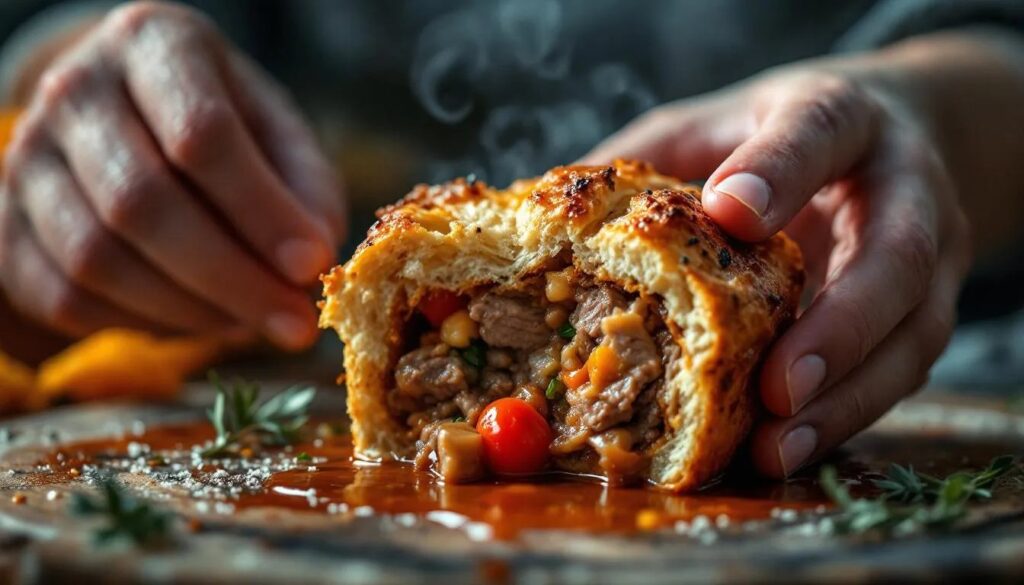
Store pulled lamb and braising liquid together in an airtight container in the refrigerator for up to 3 days. The meat will continue to absorb the broth as it rests, which concentrates the flavor further. Reheat gently in a covered pan over a low flame with a splash of water or stock to loosen. Leftover lamb braised this way also works exceptionally well in a shallow pie with a rough shortcrust pastry lid the following day.
What substitutions are possible?
If lamb shoulder is unavailable, a bone-in pork shoulder responds equally well to this braise — reduce the oven temperature slightly to 150°C and extend the cooking time by 30 minutes. The white beans can be replaced with puy lentils for a slightly earthier, more mineral base, or with spring vegetables like fresh peas and broad beans if you are cooking later in the season when the pods arrive at the market. White wine can be replaced with a light cider for a more northern European character.
How do i know when the lamb is ready?
The surest sign is tactile rather than visual: press the thickest part of the shoulder through the lid with a spoon. If the meat gives and begins to separate without resistance, it is ready. Alternatively, insert a skewer or the tip of a knife — it should slide in and out with no drag. An internal temperature probe reading above 90°C confirms the collagen has broken down sufficiently. The bone, if present, may have begun to loosen from the surrounding meat at the joint — this is another reliable indicator.
Can I cook this in a slow cooker?
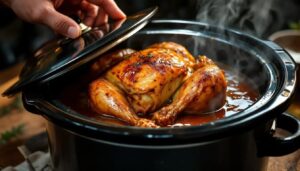
Yes, with one important adjustment: always sear the lamb thoroughly on the stovetop first. Without that initial browning, a slow cooker produces meat that is tender but pale and flat in flavor — the Maillard reaction cannot occur in a wet, low-heat environment. Once seared, transfer the lamb and all aromatics to the slow cooker, add the wine and stock, and cook on low for 8 to 9 hours. Finish with an optional 15 minutes under a hot grill to restore some color to the surface.