

As March comes to a close and the first warm days settle in, the kitchen begins to shift gears. Heavy braises and winter stews make way for something lighter, brighter, and just as comforting. Spring casseroles occupy that perfect middle ground: they feed a crowd without demanding hours of prep, and they carry the best of the season — tender asparagus, sweet peas, young leeks, fresh herbs — straight from the market to the table in one generous dish.
This collection gathers fourteen casseroles built for sharing: potlucks, Easter gatherings, weekend lunches with friends, or simply a weeknight when cooking for one feels like a waste of good produce. Each one relies on what spring actually offers right now, not what's been sitting in a cold storage warehouse since November. Some are vegetable-forward, some feature chicken or lamb, and a few are fully vegetarian or easily made so. All of them reheat well, travel in their baking dish, and improve with a night in the fridge.
Why spring casseroles hit different
The casserole has a reputation problem. For too long, it was associated with cream-of-something soup poured over frozen vegetables, baked until beige. Spring fixes that. The season's produce is young and sweet enough to hold its character through oven time — asparagus stays firm at the tip, peas pop with green brightness, and young carrots caramelize at the edges without turning to mush. A 35-minute bake at 375°F (190°C) is often all it takes.
There's also a textural argument for the season. Spring casseroles tend to have more contrast: crisp breadcrumb toppings over silky leek fillings, crunchy fennel fronds over creamy white bean layers, golden pastry lids over broth-soaked grains. Winter casseroles comfort through uniformity, while spring ones offer complexity through contrast.
1. Asparagus, Gruyère, and egg casserole
This is the one to make on Easter morning or the first Sunday brunch warm enough to eat outside. Lay two pounds of asparagus, trimmed and halved, across a buttered baking dish. Whisk together eight eggs, 1 cup of whole milk, 1 cup of heavy cream, salt, pepper, and a generous handful of freshly grated Gruyère — a Swiss cow's milk cheese with a nutty, slightly sweet depth that melts without becoming greasy. Pour the custard over the asparagus, scatter more cheese on top, and bake at 350°F (175°C) for 30 to 35 minutes, until the custard is just set at the center and trembles slightly when the dish moves. The edges should be puffed and deeply golden. Let it rest for ten minutes before cutting — the custard needs this time to firm up enough to slice cleanly.
2. Spring chicken and leek bake
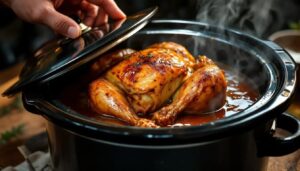
Chicken thighs are the right cut here — bone-in, skin-on — because they stay moist through the full bake and render their fat into the leeks below, which melt in the culinary sense: they soften entirely, losing their sharp bite and becoming sweet and almost silky. Slice four large leeks into thick rounds, wash them well (grit hides in every layer), and arrange them with a splash of white wine, chicken stock, fresh thyme, and a bay leaf. Nestle the thighs skin-side up so the skin stays above the liquid and crisps rather than steams. At 400°F (200°C), about 45 minutes produces skin that shatters and meat that slides from the bone. A squeeze of lemon over the top at the table cuts through the richness cleanly.
3. Green pea, ricotta, and spinach casserole
This one is fully vegetarian and comes together in under 20 minutes of prep. Combine 3 cups of fresh or frozen peas, 2 cups of whole-milk ricotta, two large handfuls of baby spinach, three eggs, lemon zest, grated Parmesan, and plenty of black pepper. The mixture goes into a greased baking dish, topped with more Parmesan and a scattering of panko breadcrumbs tossed in olive oil. Baked at 375°F (190°C) for 25 minutes, the top turns golden and the interior sets into something between a frittata and a soufflé — airy, bright green, faintly lemony. Serve warm or at room temperature. Both work.
4. Spring lamb and white bean casserole
Lamb and spring are inseparable in much of the Northern Hemisphere, and this dish embraces that relationship without apology. Brown 2 pounds of bone-in lamb shoulder pieces in batches in a wide, heavy skillet — achieving real browning, not steaming, which means working in small batches and resisting the urge to move the meat for at least three minutes per side. That Maillard reaction — the chemical browning that occurs between proteins and sugars at high heat — builds the entire flavor foundation. Transfer to a deep casserole dish with two cans of drained white beans, crushed tomatoes, rosemary, garlic, and lamb stock or water. Cover tightly and braise at 325°F (165°C) for two hours, then uncover for the final 20 minutes to concentrate the liquid and caramelize the surface. Scatter chopped flat-leaf parsley before serving.
5. Artichoke, potato, and olive oil gratin
Few vegetables signal spring as unmistakably as artichokes. This gratin pairs them with thinly sliced waxy potatoes — use a mandoline set to ⅛ inch if you have one, or a steady hand and patience — layered with halved artichoke hearts (fresh, trimmed and rubbed with lemon, or good-quality jarred ones in water, not oil), sliced garlic, fresh oregano, and a generous pour of extra-virgin olive oil. No cream, no cheese; just the vegetables, the oil, and a cup of vegetable or chicken stock that soaks into the potato layers as they bake. At 375°F (190°C) for 50 minutes under foil, then 15 minutes uncovered, the top turns golden and the potatoes underneath turn tender and almost translucent. This is the dish that makes skeptics reconsider the artichoke entirely.
6. Tuna noodle casserole, spring edition
The classic tuna noodle casserole earns its place in any comfort food canon, but spring enhances it further. Substitute the canned cream soup with a quick béchamel — a white sauce made by cooking equal parts butter and flour together before whisking in warm milk — seasoned with lemon zest and a pinch of cayenne. Stir in good-quality canned tuna (oil-packed, drained), cooked egg noodles, frozen peas, and thinly sliced celery for crunch. Top with crushed butter crackers or seasoned breadcrumbs. Baked at 375°F (190°C) for 25 to 30 minutes, the sauce bubbles up through the crust. The interior stays creamy, and the top cracks. It serves eight easily and costs almost nothing.
7. Roasted carrot and lentil casserole with feta
Young spring carrots — the kind still sold in bunches with their tops on at the farmers market — caramelize more quickly than their winter counterparts because their sugar content is higher and their cell structure more tender. Roast them whole or halved at 425°F (220°C) for 20 minutes before layering them over a base of cooked Puy lentils (the small, slate-green French variety that holds its shape after cooking, unlike larger red or yellow lentils that collapse into purée). Add crumbled feta, fresh dill, a drizzle of honey, and a pour of good vegetable stock. Return the whole dish to the oven, uncovered, for another 15 minutes. The feta softens and browns at the edges, the lentils absorb the stock, and the carrots deepen in color and sweetness.
8. Spring vegetable and goat cheese strata
A strata is essentially a savory bread pudding: cubed bread soaked in an egg-and-milk custard, layered with fillings, and baked until puffed and golden. The advantage over other casseroles is that it absolutely must be assembled the night before — a genuine gift for anyone hosting a spring brunch. Layer cubed day-old sourdough with sautéed asparagus pieces, blanched peas, caramelized onions, and crumbled fresh goat cheese. Pour over a custard of six eggs, 2 cups of whole milk, Dijon mustard, salt, and pepper. Press down, cover, and refrigerate overnight. Bake at 350°F (175°C) for 45 to 50 minutes. The bread soaks up the custard completely, the cheese melts into the layers, and the top browns to a deep, appetizing crust.
9. Chicken, artichoke, and sun-dried tomato bake
This one asks very little and delivers considerably more than expected. Arrange bone-in chicken breasts in a single layer in a wide baking dish. Scatter drained artichoke hearts, sun-dried tomatoes (oil-packed), sliced Kalamata olives, and whole garlic cloves around them. Splash with white wine and olive oil. Season with salt, pepper, dried oregano, and fresh lemon slices laid directly over the chicken. Roast at 400°F (200°C), uncovered, for 40 to 45 minutes. The pan juices become a concentrated, wine-bright sauce that demands to be mopped up with crusty bread. The leftovers, shredded and tucked into a sandwich the next day, are arguably better than the original.
10. Spring quinoa casserole with broccoli and cheddar
Quinoa bakes surprisingly well. It absorbs liquid during cooking and continues to do so in the oven, producing a cohesive texture that slices rather than falls apart — unlike rice casseroles that can turn dense. Cook 1½ cups of quinoa in vegetable stock until just done, then combine with 2 cups of small broccoli florets, three eggs, shredded sharp cheddar, Greek yogurt, and Dijon mustard. The Greek yogurt replaces sour cream with a slightly tangier note and adds protein. Spread in a greased baking dish, top with more cheddar, and bake at 375°F (190°C) for 30 minutes. This one is particularly popular at potlucks because it travels well, reheats cleanly, and satisfies both vegetarians and meat-eaters alike.
11. Sweet potato and black bean enchilada casserole
This is the casserole that appears at spring gatherings where half the table eats no meat and everyone wants something with heat. Layer corn tortillas, roasted sweet potato cubes, drained black beans, and a simple red enchilada sauce — either homemade from dried chiles or a good-quality jarred version thinned with water. Between each layer, add shredded pepper jack or Monterey Jack cheese. Repeat three times, finish with a heavy cheese layer, and bake covered at 375°F (190°C) for 25 minutes, then uncovered for ten more. Top with sliced avocado, pickled jalapeños, and chopped cilantro at the table. It feeds eight to ten people, costs very little, and satisfies deeply.
12. Ham, potato, and spring onion gratin
A gratin dauphinois welcomes spring when you add sliced spring onions — the long, mild variety just hitting markets in late March — and thin slices of good cooked ham tucked between the potato layers. The base is simple: thinly sliced Yukon Gold potatoes, 1½ cups of heavy cream seasoned with garlic, nutmeg, and salt, and the ham and spring onion layers added every third level. Top with Gruyère or Comté. Bake covered at 350°F (175°C) for one hour, then uncovered at 400°F (200°C) for 15 minutes to develop the golden crust. The cream reduces and thickens around the potatoes into something richer than the sum of its parts.
13. Spring minestrone casserole
This is minestrone in baked form — which sounds unusual until you try it and realize that the oven's dry heat concentrates flavors that a stovetop soup distributes more thinly. Layer cooked small pasta (ditalini or elbow), cannellini beans, diced zucchini, cherry tomatoes, baby spinach, and a generous amount of good chicken or vegetable stock seasoned with basil and garlic. Top with a thick, even layer of grated Parmesan mixed with breadcrumbs. Bake at 375°F (190°C) for 30 to 35 minutes. The top forms a savory, crackled crust while the layers below remain deeply sauced. Serve with the best crusty bread available.
14. Rhubarb and strawberry breakfast casserole
Spring's most underused pairing belongs at the breakfast table: rhubarb and strawberry, tart against sweet, baked under a layer of custardy brioche. Cube day-old brioche or challah, arrange over a mix of sliced rhubarb and halved strawberries tossed with sugar and orange zest. Pour over a custard of four eggs, 1½ cups of whole milk, ¼ cup of maple syrup, and vanilla extract. Press down, let soak for at least 30 minutes (or overnight), and bake at 350°F (175°C) for 40 to 45 minutes, until the top is golden and the custard set. Dust with powdered sugar and serve warm. This is the casserole that ends every spring brunch on a memorable note.
Practical notes for sharing casseroles
Every casserole on this list holds well, but a few guidelines make the difference between a dish that arrives perfectly and one that disappoints. Always bake the casserole fully before transporting — partially baked dishes risk undercooking when they cool in transit. Wrap the dish tightly in foil, then in towels, and nest it in a box to retain heat for up to 45 minutes. For reheating, add a splash of stock or water before covering with foil — this prevents the top from burning before the center warms through. Most of these casseroles are best reheated at 325°F (165°C) for 20 to 25 minutes, covered, with the foil removed for the final five minutes to revive any crust.
Spring produce moves fast. Asparagus that's perfect on Saturday is woody by Wednesday. Shop close to when you cook, keep the herbs in a glass of water in the fridge like flowers, and taste as you go. The casserole format is forgiving, but the season's produce isn't — it rewards attention and is less forgiving of delay.
Frequently asked questions
Can these casseroles be made ahead of time?
Most of these casseroles can be fully assembled and refrigerated, covered, for up to 24 hours before baking. Egg-based dishes like the strata actually require this step. For casseroles that are already baked, they can be cooled completely, refrigerated for up to three days, and reheated covered with foil at 325°F (165°C). Adding a small splash of stock or water before reheating helps prevent the top from drying out before the center comes back up to temperature.
How do I adapt these recipes for a larger crowd?
Most of these recipes serve six to eight people comfortably. To scale for twelve to sixteen, double the ingredients and use two smaller baking dishes rather than one very deep single dish — heat distributes more evenly in shallower layers, and cooking times remain closer to the original. A very deep, doubled casserole can require an additional 20 to 30 minutes in the oven, and the top may overbrown before the center sets.
Which casseroles are easiest to transport to a potluck?
The tuna noodle, quinoa-broccoli-cheddar, ham-potato gratin, and spring minestrone casseroles are the most structurally stable and transport-friendly. They all hold their shape when cut, reheat reliably, and aren't sensitive to sitting at room temperature for 30 to 45 minutes. The egg-based casseroles (asparagus-Gruyère, strata) are more fragile and are best served shortly after baking.
What is the best baking dish for casseroles?
A 9×13-inch (23×33 cm) ceramic or glass baking dish works well for most of these recipes. Ceramic retains heat longer and distributes it more evenly, which is particularly useful for grain and potato-based dishes. Glass allows you to monitor browning on the bottom. Avoid very thin aluminum pans for long braises or dairy-heavy gratins — they heat unevenly and can cause scorching at the edges before the center is done.
Which of these work well for vegetarians?
Numbers 3 (pea, ricotta, and spinach), 5 (artichoke and potato gratin), 7 (roasted carrot and lentil), 8 (spring vegetable strata), 10 (quinoa, broccoli, and cheddar), 11 (sweet potato and black bean), 13 (spring minestrone), and 14 (rhubarb and strawberry) are either fully vegetarian as written or require only a simple swap — using vegetable stock in place of chicken stock — to become so.