

Spring is arriving, the farmers' markets are filling back up with strawberries and rhubarb, and there is no better moment to revisit the dessert canon of Ina Garten — the woman who has convinced more home cooks than anyone else that baking is not a test of patience but an act of generosity. Her recipes work. Not occasionally, not with a handful of anxious adjustments, but reliably, every single time, whether you are feeding two or twenty. That consistency is rare in the dessert world, and it explains why so many of her recipes have migrated from the pages of her cookbooks onto permanently smudged index cards pinned above kitchen counters across the country.
What follows is a curated selection of fifteen Ina Garten desserts that home bakers return to again and again — some are weekend projects worth every minute, others come together in under an hour on a weeknight. Each one reflects her guiding philosophy: use the best ingredients you can find, do not overcomplicate the technique, and trust the process. Read on, then clear the counter.
Outrageous brownies
These are the brownies by which all other brownies are measured. Ina uses 1 pound of unsalted butter and a full pound of semisweet chocolate chips, which produces a dense, fudgy interior with a papery, crackled top. The secret is melting the butter and chocolate together over a double boiler — a method that keeps the fat emulsified and prevents the batter from becoming grainy. Chopped walnuts add structure and a faint bitterness that cuts through the richness. Cut them into generous squares while still slightly warm for the cleanest edges.
Ina's famous chocolate cake
Buttermilk and freshly brewed hot coffee go into the batter, which sounds unusual until you understand the chemistry: the coffee deepens the cocoa flavor without adding any perceptible coffee taste, and the buttermilk reacts with the leavening to create an exceptionally tender crumb. The ganache frosting — heavy cream poured over chopped chocolate and stirred until silky — sets into a glossy finish that stays smooth at room temperature. This is a layer cake that genuinely improves overnight as the moisture redistributes through the crumb.
Lemon bars
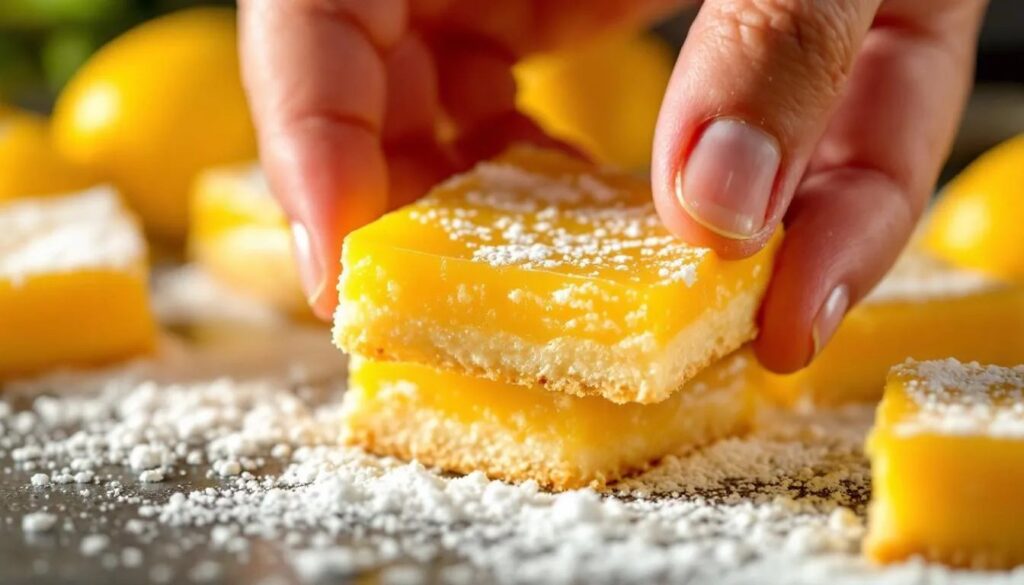
Few desserts capture the spirit of early spring like a properly made lemon bar. Ina's version builds on a shortbread crust pressed into the pan while still warm, then fills it with a curd made from fresh lemon juice, eggs, and just enough flour to give the filling body without making it rubbery. The ratio of curd to pastry leans heavily toward the curd, which is exactly as it should be. A snowfall of powdered sugar applied just before serving prevents it from dissolving into the filling.
Coconut cake
This tall, white layer cake has become something of a signature. The sponge is moistened with a coconut syrup brushed onto each layer while still warm — a technique borrowed from professional pastry kitchens that ensures the cake stays tender for days. The frosting is a cooked Italian meringue-style buttercream folded with cream cheese for stability, then covered completely with shredded sweetened coconut. It is a showpiece that is far more forgiving to assemble than its appearance suggests.
Strawberry country cake
As strawberry season hits its peak, this is the recipe to pull out. A simple sponge, split and filled with fresh macerated strawberries and softly whipped cream, it asks almost nothing of the baker but rewards with a lightness that heavier cakes cannot match. Ina macerates the berries with a small amount of sugar and Grand Marnier, which draws out their juices and creates a natural syrup that soaks into the cut layers. The cream is whipped only to soft peaks — stiff cream is a texture problem waiting to happen.
Banana cake with cream cheese frosting
The formula here depends on bananas that are genuinely overripe — black-skinned, almost liquid inside. At that stage, the sugar concentration is high, the starches have converted, and the fruit mashes into the batter without any chunks remaining. Ina finishes the cake with a cream cheese frosting that has enough butter to stay spreadable without being greasy. A few slices of fresh banana on top, pressed into the frosting at the last moment, signal to anyone who reaches for a slice exactly what they are getting.
Raspberry bavarian cream
This is the recipe Ina returns to when she wants something elegant without spending a day in the kitchen. A classic Bavarian — bavarois, a custard lightened with whipped cream and set with gelatin — is layered in a springform pan with fresh raspberries and ladyfinger biscuits brushed with raspberry liqueur. The result unmolds cleanly and holds its shape at the table long enough to slice. It must be prepared the day before, which is not a drawback but a structural advantage for anyone hosting a dinner party.
Fresh peach cake
Summer peaches, sliced thick and pressed into the top of a buttery yogurt batter, sink slightly during baking and caramelize around their edges. Ina seasons the batter with cinnamon and vanilla, both of which amplify the stone-fruit flavor rather than competing with it. The yogurt keeps the crumb moist without making it heavy. Serve it warm with a scoop of vanilla ice cream that begins to melt the moment it touches the cake — the contrast of temperatures and textures is the point.
Plum cake tatin
Inspired by the French tarte Tatin, Ina's version replaces the traditional apple filling with Italian prune plums halved and arranged cut-side down over a caramel cooked directly in the cast iron pan. The batter is poured over the fruit and the whole thing goes into the oven, then inverts onto a plate while still hot. The caramel, which has absorbed the plum juices during baking, pools over the cake in a dark, glossy sauce that needs nothing else.
Pumpkin roulade with ginger buttercream
A roulade — a thin sponge rolled around a filling — is one of the more technically satisfying things a home baker can make, and Ina's pumpkin version, with its warm spicing and sharp ginger buttercream, has become a fall ritual for many households. The key to rolling without cracking is doing it while the sponge is still warm and pliable, using a kitchen towel dusted with powdered sugar. Once cooled and filled, it slices cleanly into spirals of orange and cream.
Mocha chocolate icebox cake
This is the no-bake dessert that earns the same admiration as a baked one. Layers of Tate's Bake Shop chocolate chip cookies — chosen for their thin, crisp structure — alternate with a mascarpone cream whipped with espresso and heavy cream. The whole assembly goes into the refrigerator overnight, during which the cookies absorb moisture from the cream and transform into something with the consistency of a soft chocolate cake. No oven, no thermometer, no drama.
Rugelach
Ina's rugelach begin with a cream cheese pastry — equal parts cream cheese and butter, cut into the flour and chilled until firm — that rolls out thin and tender without snapping back. The filling can go in any direction: raspberry jam and walnuts, apricot and raisins, or a chocolate-cinnamon mixture. The filled triangles are rolled from the wide end to the point and baked until the pastry is golden and the filling caramelizes at the edges. They keep well in an airtight tin for several days, improving slightly as the flavors settle.
Apple crisp
When time is short and the need for something comforting is not, Ina's apple crisp answers both conditions. A deep baking dish of sliced Granny Smith apples tossed with sugar, cinnamon, and lemon juice is topped with a mixture of butter, oats, flour, and brown sugar that bakes into a rough, crunchy crust with patches of caramel where the topping meets the apple juices. It comes out of the oven bubbling and fragrant, and no amount of restraint will stop anyone from taking a second serving.
Trifle
Ina's trifle is assembled in a glass bowl specifically to show its architecture: layers of pound cake soaked in sherry, pastry cream, fresh berries, and whipped cream, stacked and repeated until the bowl is full. The pastry cream is made from scratch, thickened with cornstarch and egg yolks, then chilled until firm before it goes into the bowl. Each component can be made a day ahead, and the trifle itself benefits from several hours in the refrigerator before serving, which allows the cake to absorb the cream fully.
Meringues with strawberries and cream
Individual meringue shells — pavlova-style, crisp outside and marshmallowy within — are the perfect vessel for the first ripe strawberries of the season. Ina pipes or spoons the meringue into nests, bakes them at low heat for an hour and a half, then turns off the oven and leaves them inside to dry out completely. The filling is nothing more than freshly whipped cream and strawberries macerated with a small amount of sugar. The contrast between the dry, brittle shell and the soft, cold cream is what makes this dessert worth repeating every spring without variation.
What makes these recipes last
Across all fifteen of these desserts, a few patterns emerge. Ina rarely asks for techniques that require professional equipment or years of training. She leans on quality ingredients — real vanilla extract, good chocolate, unsalted butter at room temperature — as the primary source of flavor rather than complexity of method. She also builds in margin for error: resting times, make-ahead steps, and instructions written for a cook who is also trying to set the table. It's exactly that combination of ambition and pragmatism that makes these recipes survive beyond a single weekend and become the ones people reach for without thinking, year after year.
Questions frequently asked about these recipes
Can these recipes be made in advance for a dinner party?
Most of them are specifically designed with that in mind. The icebox cake, trifle, Bavarian cream, and coconut cake all require refrigeration time and are structurally better after a night in the fridge. The brownies and lemon bars bake well the day before and keep at room temperature in an airtight container. The apple crisp and fresh peach cake are best served warm and are the only ones worth baking the same day.
What chocolate does Ina Garten recommend for her brownie and cake recipes?
Ina consistently calls for good-quality semisweet chocolate with a cocoa content of around 56–60%, which gives enough bitterness to balance sugar without crossing into dark territory that can make baked goods dry. She often specifies Ghirardelli or similar mid-range brands that are widely available — this is not a recipe that requires a specialty import, but it is one where the cheapest option will produce a noticeably different result.
Are any of these desserts suitable for guests with dietary restrictions?
Most of Ina's classic dessert recipes contain gluten, eggs, and dairy in their original form. The apple crisp can be adapted with a certified gluten-free oat and flour blend with minimal impact on texture. The meringues are naturally gluten-free and dairy-free in their shell component, though the cream filling would need to be replaced for a fully dairy-free version. For guests with nut allergies, the outrageous brownies and rugelach both contain walnuts that can be omitted without changing the structure of the recipe.
What are the most common mistakes when making Ina's layer cakes?
The two issues that come up most often are underbaked layers and frosting applied before the cake has cooled completely. A wooden skewer or cake tester should come out clean with just a few moist crumbs — not wet batter, but not bone dry either. As for the frosting, even ten minutes on a warm cake will cause cream cheese or buttercream-based frostings to slide. Let the layers cool on a wire rack for at least an hour, then refrigerate for thirty minutes before assembling if the kitchen is warm.
Can seasonal fruit substitutions be made in Ina's fruit-based desserts?
Absolutely, and this is where these recipes shine as frameworks rather than rigid formulas. The strawberry country cake works equally well with raspberries or a mix of spring berries as markets fill up from April onward. The fresh peach cake transitions naturally into a nectarine cake without any changes to method. The plum cake Tatin can take on apricots in early summer when they are ripe and tart — the caramelization dynamic remains the same. The principle is to match the sugar content of the substituted fruit: more acidic fruits may need a touch more sugar in the macerating or caramelization step.